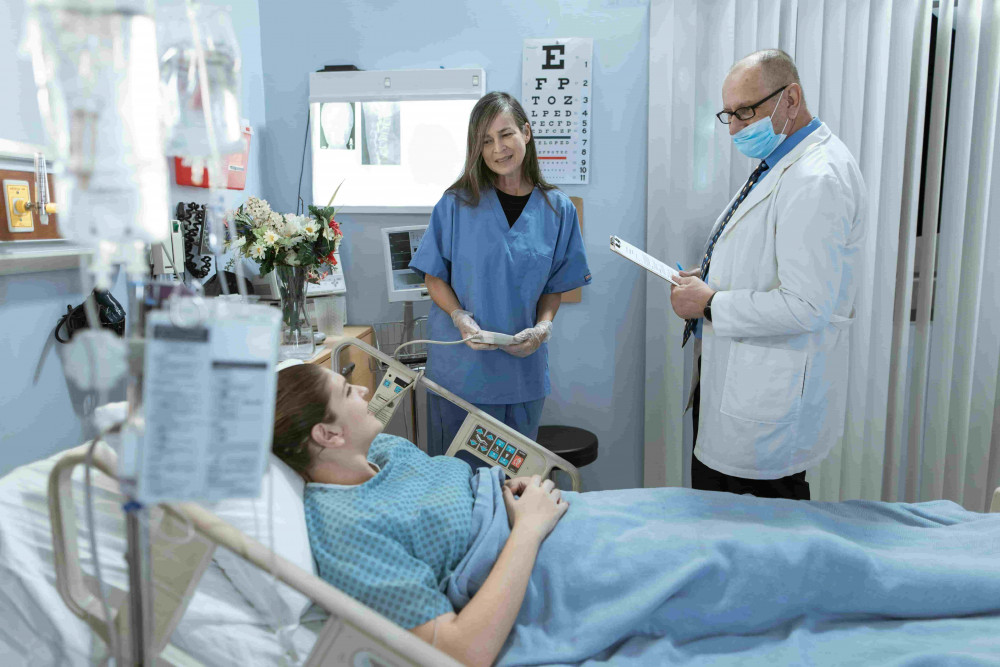
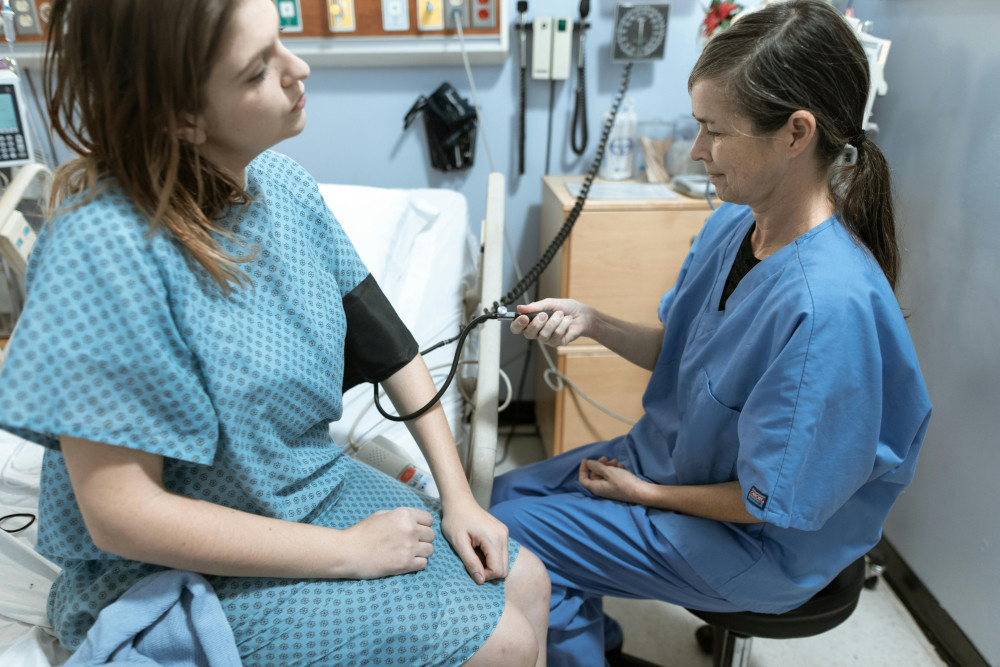
You've built something remarkable in your nursing career. Every shift, every patient, every moment when you made the difference — it all brought you to this point where your skills are so valued that hospitals across the country are willing to invest significantly to have you on their team. The "Great Nursing Migration" of 2026 isn't just about numbers; it's about recognizing that nurses like you deserve opportunities that match your dedication.
Moving for your next role isn't simply changing your address — it's honoring the expertise you've developed and positioning yourself where that expertise can flourish. This guide walks alongside you through the journey of state license endorsement, moving considerations, and ensuring you receive the recognition you've earned.
Introduction to Nurse Relocation
Nurse relocation isn't just another move—it's you honoring that calling that brought you into this work in the first place, and trusting yourself to carry your gifts somewhere new. You know those clinical skills and that sharp critical thinking you've developed? They're not just tools—they're extensions of who you've become through every shift, every patient, every moment you've chosen to show up fully. Relocating means you'll navigate new administrative services and maintain medical records in unfamiliar systems, sure, but you've already proven you can master complexity while ensuring quality assurance flows through everything you touch. Your organizational skills—the ones that got you through nursing school and help you juggle impossible patient loads—those same skills will guide you through understanding labor statistics and discovering where your expertise is needed most. When you approach relocation with intention and planning, you're not just opening doors to new jobs and educational opportunities. You're choosing growth. You're expanding your impact. You're bringing everything remarkable about your nursing practice to a community that needs exactly what you have to offer.
Understanding the Nursing Job Market
The nursing job market is constantly evolving — and that evolution is creating opportunities that honor the depth of what you bring to this profession. Labor statistics don't just highlight demand; they reflect how much the world needs what you do, whether you're drawn to traditional hospital floors where your instincts shine brightest, or you're curious about emerging fields like substance abuse treatment and policy development where your nursing perspective can reshape entire systems. New jobs are being created every year because healthcare is finally recognizing that your skills extend far beyond what anyone once imagined possible. Educational opportunities — those associate's degree programs, that specialized training you're considering — these aren't just boxes to check; they're pathways that help you develop the precise skills needed for both the direct care that feeds your soul and the indirect care roles that let you impact hundreds of patients you'll never meet, while elevating the entire customer experience in ways that only someone with your clinical foundation could envision. When you use search filters on job boards like RegisteredNurse.jobs, you're not just browsing listings — you're pinpointing positions that truly align with the expertise you've earned through every challenging shift and the interests that keep you passionate about this work, whether your heart belongs in hospitals, in patients' homes where healing happens differently, in remote RN roles like telehealth and case management, or in community health centers where prevention becomes your superpower. Staying informed about labor statistics and market trends isn't about following numbers; it's about empowering yourself to make strategic decisions that honor both your career development dreams and any relocation plans, ensuring you're always positioned exactly where your irreplaceable skills are needed most.
Regional Nursing Opportunities
Your nursing journey can unfold in countless directions — and each region holds its own promise, its own way of challenging you to grow. Maybe you're drawn to dense urban centers with layered healthcare systems, such as RN jobs in Los Angeles, or you feel more aligned with other regional hubs. Take the Mid-Atlantic region, where the pulse of healthcare beats strongest and every skilled nurse like you is not just wanted, but truly valued. In metropolitan areas like Washington and other major hubs such as New York nursing job markets, opportunities don't just exist — they're waiting for someone who brings exactly what you bring to every shift. You'll discover hospitals that need your steady hands, clinics that value your intuition, community health centers where your compassion makes all the difference. And here's what matters: this region doesn't just offer you a job — it offers pathways to the advanced education and career development that honors how far you've already come. If surgery calls to your precise nature, if wellness speaks to your holistic heart, if specialized programs ignite that spark of curiosity that first drew you to nursing — this is where those pieces of yourself find their home. When you're ready to plant new roots, the practical questions matter too — cost of living that respects what you've earned, local education that nurtures where you want to grow, advancement opportunities that see your potential the way you do. Because understanding what each region offers isn't just about geography — it's about finding where your next chapter as a nurse can truly begin, whether that leads you toward broad statewide markets like RN jobs across Texas or more localized communities.
1. The 2026 Healthcare Bonus Landscape: What's on the Table?
Your specialized skills in high-acuity areas like OR, ICU, and L&D have never been more sought after. The bonuses being offered reflect not just market demand, but genuine recognition of the years you’ve invested in becoming exceptional at what you do.
- What You’re Worth: Health systems featured on RegisteredNurse.jobs are offering between $15,000 and $40,000 for nurses willing to commit to a two-year partnership — because they know good nursing doesn’t happen overnight.
- How You’ll Receive It: These investments in your future typically unfold thoughtfully. The standard 2026 approach shares 25% after your first 90 days (once you’ve settled in), 25% at your one-year milestone, and the remaining 50% when you’ve completed two years of making a difference in their community.
- Supporting Your Transition: Beyond recognizing your clinical value, expect a relocation investment of $5,000 to $10,000 to ensure your move is as smooth as possible — because starting strong matters.
- Full-Time Stability: Many registered nurse jobs, especially in federal job listings, are permanent and full-time positions, providing consistent hours and long-term career stability.
Organizations are committed to supporting their employees by offering competitive salaries and comprehensive benefits packages, including health insurance and retirement plans. Exploring a data-driven RN salary guide for 2026 by state and specialty can help you evaluate whether those offers truly reflect your market value. Many healthcare organizations foster an inclusive environment that values diversity and supports employee growth and well-being, which can positively impact job satisfaction and career advancement.
Additionally, the federal government provides extra incentives for new hires in registered nurse positions, such as recruitment incentives and annual leave credit, making these opportunities even more attractive for those seeking stability and growth within a supportive organization.
2. The Registered Nurse Licensing Checklist: Endorsement vs. Compact
To become a registered nurse (RN), you must complete an approved nursing program. There are three main educational paths: earning a bachelor's degree in nursing (BSN), an associate's degree in nursing (ADN), or a diploma from an approved nursing program. After completing your education, you must pass the NCLEX-RN exam and obtain active state licensure to practice as an RN.
Your nursing license represents years of dedication and learning. Moving it to a new state doesn’t diminish its value — it extends your ability to care for patients who need you. The Nurse Licensure Compact (NLC) now embraces over 42 states, creating pathways that honor your existing credentials.
If Moving Between Compact States:
Your multistate license travels with you, giving you up to 60 days to practice while you establish your new "Primary State of Residence." Staying familiar with the full list of 2026 compact nursing states helps you anticipate where your license will move most easily, keeping you caring for patients while the paperwork catches up to your commitment.
If Moving to a Non-Compact State (e.g., California, Oregon):
Licensure by Endorsement acknowledges that your nursing education and experience deserve recognition, even when crossing state lines. If you're drawn to RN jobs in California, this 4–8 week process in 2026 honors your journey through:
- Verification of your existing license through Nursys — proof of the standards you've already met.
- Submission of official transcripts — documentation of the foundation you built.
- Fresh background verification — confirming what your colleagues already know about your character.
3. The "Moving Day" Patient Care Expense Checklist
Every dollar of that hard-earned bonus deserves protection. Your attention to detail that serves patients so well can also serve your financial future. Track everything — your methodical approach to patient care extends perfectly to managing your relocation investment.
- Full-Service Moving: A cross-country transition for your two-bedroom home typically requires about $6,000 in 2026 — an investment in starting fresh where you're most valued, whether that means a major metro like San Antonio nursing opportunities or a quieter town that fits your lifestyle.
- Professional Credentialing: Set aside roughly $500–$800 for the credentials that represent your expertise — new state licenses, background verifications, and specialty certifications like CCRN or CEN that showcase the depth of your knowledge.
- Temporary Housing: You deserve time to find the right home. Look for arrangements that include at least 30 days of corporate housing — space to breathe while you discover where you'll build your new chapter.
4. The Fine Print: Understanding "Clawbacks"
The Repayment Agreement in your contract reflects the same principle you understand from patient care — mutual commitment creates the best outcomes. These terms exist not to trap you, but to ensure both you and your new hospital invest genuinely in building something lasting together.
Standard 2026 Repayment Expectations:
- Departure Before 12 Months: 100% return of investment — recognizing that deep partnerships take time to develop.
- Departure at 12–18 Months: 50% return — acknowledging the value you've already contributed.
- Completion of 24+ Months: Full investment earned — because you've proven what they believed about you from the start.
5. How to Negotiate Your Nursing Relocation Package
When you discover an opportunity on RegisteredNurse.jobs that excites you, remember that the first offer is their opening recognition of your value. You have every right to advocate for terms that truly honor your professional worth.
- Request a "Gross-Up": Bonuses face heavy taxation (often 30-40%), and you deserve to receive the full value being offered. Ask if they'll adjust the gross amount so your net matches their stated investment in you.
- Negotiate "House Hunting" Time: Request 3–5 paid days before your start date specifically for finding your new home and exploring your future community. This isn't time off — it's preparation for your success.
- Bridge Your Benefits: Ask about COBRA coverage during your transition month. The same care you give patients deserves to extend to caring for yourself and your family during this important transition.
Career Development and Growth
Your nursing journey doesn't end with that first license — it deepens with every choice you make to grow. You know this already, somewhere in your bones. The way you lean into learning, the way you hunger for knowledge that makes you better for your patients — that's the heart of what sets remarkable nurses apart from the rest. When you invest in ongoing education and training, you're not just checking boxes. You're honoring that voice inside you that knows there's always more to discover, more ways to heal, more skills that can make the difference between a good day and a life-changing moment in someone's care. Those specialized roles calling to you — like stepping into patient advocacy — they're not just career moves. They're the natural evolution of who you've always been: someone who speaks up, who organizes chaos into clarity, who commits to learning because lives depend on it. The mentorship you seek from those seasoned nurses who've walked this path before you? That matters more than you know. Their guidance becomes part of your foundation. And yes, you absolutely deserve to evaluate what employers offer you — the pay that reflects your worth, the dental and health insurance that protects you as you protect others, the retirement plans that honor the decades you'll spend serving. When you prioritize your own growth, you're not being selfish. You're positioning yourself to achieve dreams you maybe haven't even named yet while becoming the nurse who transforms healthcare for every patient, every family, every community you touch. That's not small work. That's everything.
Nursing Specialties and Areas of Practice
The world of nursing specialties stretches out before you like a landscape of endless possibility, each path calling to something different inside you. Maybe substance abuse treatment speaks to your heart for healing, or perhaps policy development ignites that part of you that wants to change everything from the ground up. Critical care might be where you feel most alive, in those intense moments when your skills matter most, or surgery could be where your steady hands and sharp focus finally find their home. Community health might be calling your name if you're drawn to prevention and connection. That pull you feel toward one area or another? Trust it. Each specialty demands something unique from you — the way you assess, the care plans you craft, the split-second interventions that make all the difference. Whether you find yourself in the controlled chaos of hospitals, the nurturing environment of schools, or the grassroots energy of community organizations, you carry the same essential truth: your compassion, your commitment to quality, and your unwavering focus on patient-centered care are exactly what this profession needs. Keep exploring, keep learning about what's emerging in nursing practice, because you're not just building a career — you're creating something that honors both who you are and who you're becoming, while lifting up every patient and community lucky enough to cross your path.