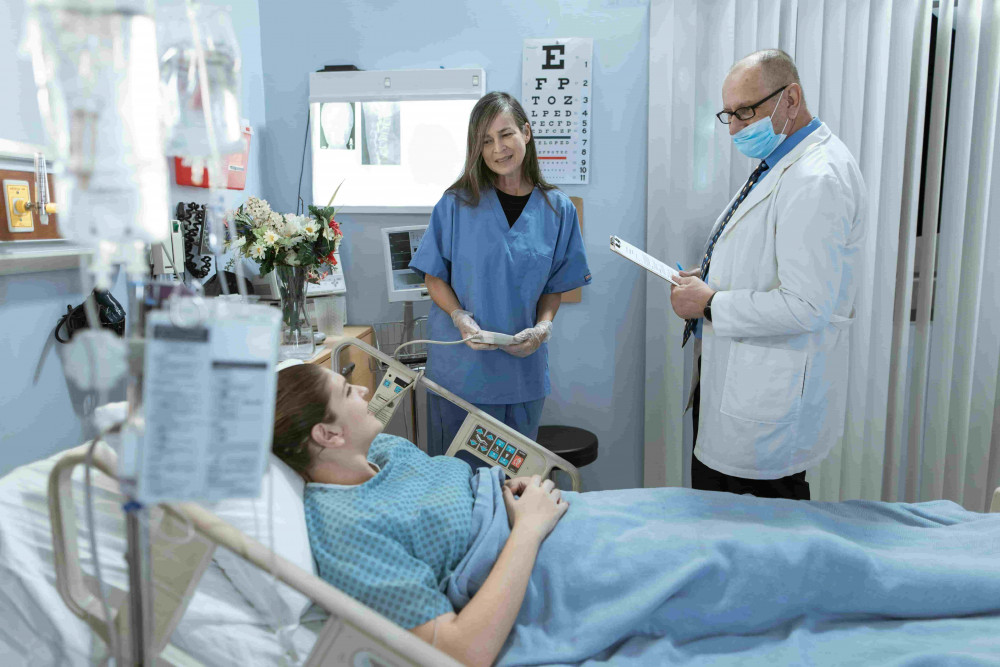
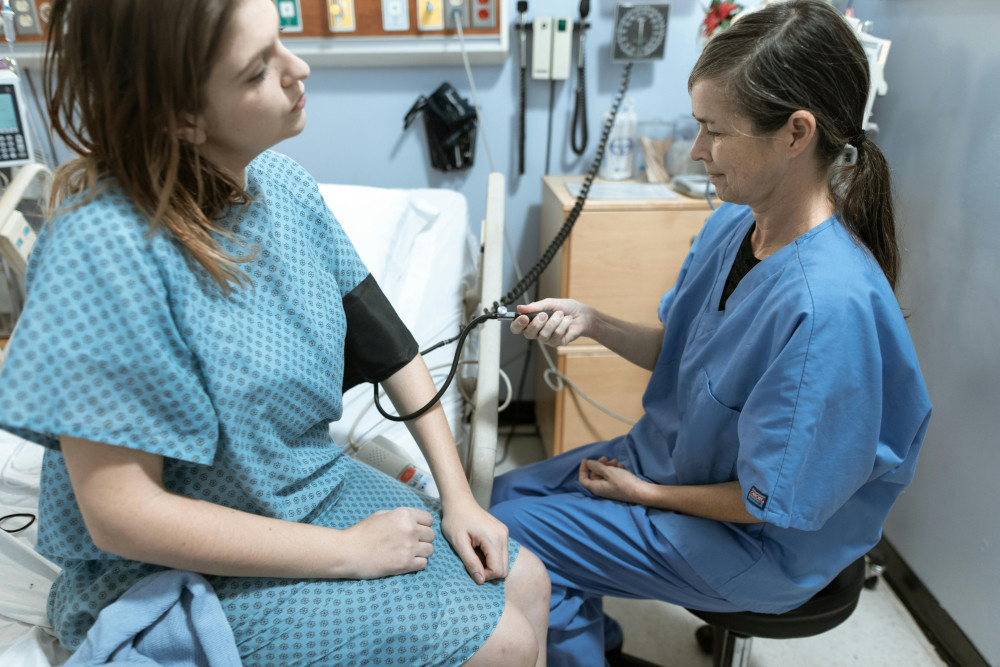
The path to becoming a registered nurse demands everything you have—and then rewards you with a career that matters every single day. Whether you’re exploring your first position or searching for something that fits better with where your life is headed, understanding the full landscape of RN jobs helps you make choices that honor both your skills and your aspirations.
Overview of RN Jobs in 2025–2026
An RN job encompasses the licensed practice of providing direct and indirect care to patients across virtually every healthcare setting imaginable. Demand remains exceptionally strong heading into 2026, driven by an aging population requiring more complex care and a wave of experienced nurses approaching retirement. The U.S. Bureau of Labor Statistics projects steady growth through the next decade, with hundreds of thousands of openings expected annually as healthcare systems expand capacity to meet community needs. Health care systems are dedicated to delivering high-quality, accessible, and compassionate care to diverse populations.
This guide covers the essentials you need to navigate today’s RN job market:
- What registered nurses actually do during a typical shift
- Where RN positions exist—from hospitals to patients homes to corporate offices
- Education pathways and licensing requirements to become an RN
- Salary expectations, benefits, and regional pay differences
- Specialty areas and advancement opportunities
- How to find, apply for, and land the right RN job for you, including the applicant’s role in the hiring process and the importance of meeting eligibility criteria
One notable shift reshaping RN employment: telehealth and hybrid work arrangements have become standard options for certain roles, allowing some nurses to provide care and support remotely while others blend onsite clinical work with virtual patient contact. Health care organizations are also creating innovative roles and programs to adapt to changing patient needs and improve operational efficiency.
What Registered Nurses Do Day to Day
Registered nurses serve as the backbone of patient care delivery, functioning as both clinical practitioners and care coordinators. They are responsible for assessing patient conditions, implementing treatment plans, educating families, and collaborating closely with doctors and other healthcare professionals to ensure patient safety, adherence to protocols, and seamless care.
The nursing process—assessment, diagnosis, planning, implementation, and evaluation—guides everything an RN does. Core responsibilities include:
- Medication administration: Safely preparing and delivering oral, intravenous, and injectable medications while monitoring for adverse reactions. RNs handle over 70% of all hospital medication administration.
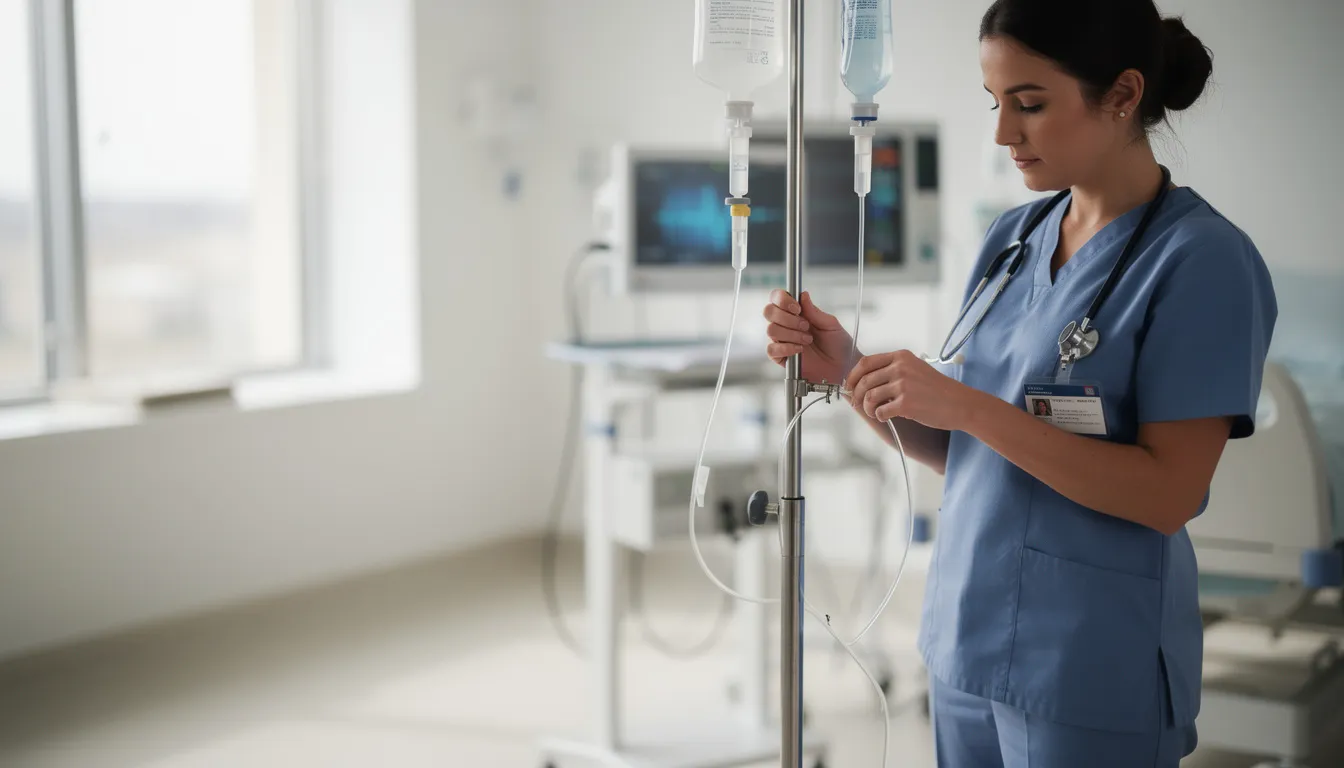
- Wound care and IV therapy: Changing dressings, preventing infection, inserting and managing IV lines for fluids and treatments.
- Patient assessment: Conducting physical examinations, collecting health histories, monitoring vital signs, interpreting lab results, and recognizing early warning signs of deterioration.
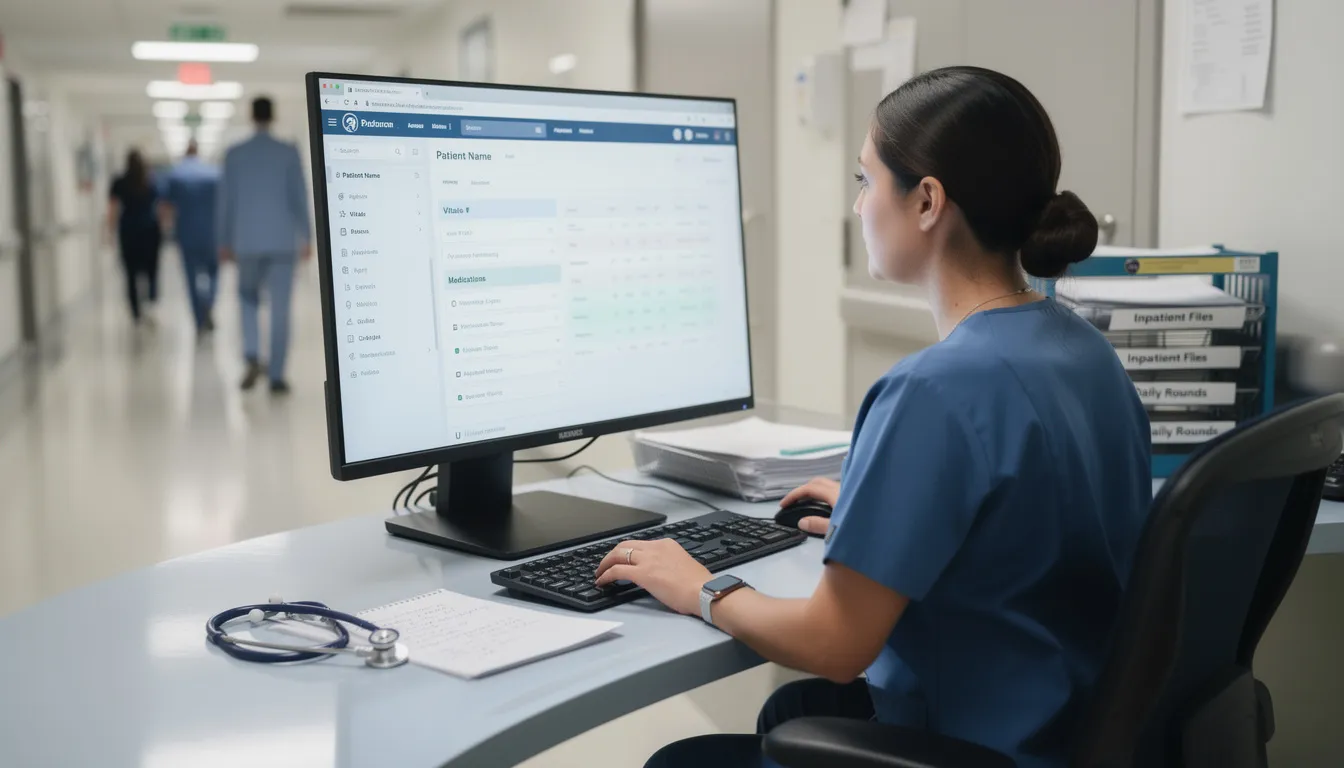
- Documentation: Recording observations and interventions in electronic health record systems like Epic or Cerner to maintain accurate, real-time patient information.
- Pre- and post-operative care: Preparing patients for procedures, monitoring recovery, and managing pain and complications.
- Patient and family education: Teaching patients and families about chronic conditions such as diabetes, heart failure, and COPD, including medication schedules, lifestyle modifications, and warning signs requiring medical attention.
- Non-bedside functions: Some RNs focus on case management, utilization review, quality improvement initiatives, or remote telehealth and case management roles rather than direct bedside care.
In addition to these roles, many nurses also serve as researchers, contributing to advancements in patient care and healthcare practices.
Specific duties vary significantly depending on your unit assignment and employer type. An ICU nurse manages ventilators and continuous cardiac telemetry, while a pediatrics nurse adapts assessments for children of different developmental stages. A clinic RN may emphasize preventive screening and vaccinations, while an OR nurse focuses on sterile technique and surgical support.
Where Nursing Jobs Are Available
RN positions exist across an extraordinary range of settings, from the controlled intensity of hospital units to the independence of home health visits to the structure of corporate environments. Your choice of setting shapes your daily rhythm, the patients you serve, and the skills you’ll develop.
- Acute care hospitals: The largest employer of RNs, hospitals offer positions in medical-surgical floors, intensive care units, emergency departments, labor and delivery, surgical services, and oncology. Hospital roles typically involve team collaboration, access to advanced technology, and exposure to high-acuity cases.
- Outpatient and community settings: Physician offices, specialty clinics in cardiology or oncology, urgent care centers, and public health departments all employ RNs. These roles often emphasize preventive education, chronic disease management, and same-day procedures with more predictable schedules.
- Long-term and post-acute care: Nursing homes, skilled nursing facilities, inpatient rehabilitation centers, and home health and hospice programs (both facility-based and home-based) need RNs to oversee care, manage complex medication regimens, and coordinate with interdisciplinary teams focused on quality of life and safety.
- Non-traditional and remote RN jobs: Telehealth triage positions allow nurses to assess symptoms and guide care decisions by phone or video. Insurance companies hire RNs for utilization management and prior authorization reviews. Schools employ nurses to manage student health and emergencies. Occupational health nurses work within corporations, and correctional facilities require RNs to address the healthcare needs of incarcerated populations.
Demand and compensation vary by region. Large metro areas like California nursing hubs such as Los Angeles, New York City, and Houston offer abundant opportunities, while rural areas face persistent shortages that sometimes translate to recruitment bonuses and loan forgiveness programs. California consistently reports the highest RN wages in the nation.
How to Become a Registered Nurse
Every practicing RN in the United States has completed an approved nursing education program and passed the NCLEX-RN examination. This standardized pathway ensures that anyone with an RN license possesses the foundational knowledge and clinical skills to provide safe, competent care.
- Education pathways: Most nurses enter practice through either an associate's degree in nursing (ADN), typically requiring 2–3 years, or a Bachelor of Science in Nursing (BSN), which takes about 4 years. Accelerated BSN programs exist for individuals who already hold a bachelor’s degree in another field. An associate's degree provides a faster entry point, though many employers now prefer or require a BSN, and over 40 states have adopted BSN-in-10 mandates encouraging nurses to complete their bachelor’s within a decade of initial licensure. Many employers prefer a Bachelor of Science in Nursing (BSN) for better career opportunities and higher pay.
- Curriculum content: Nursing programs cover anatomy, physiology, pharmacology, pathophysiology, nursing fundamentals, mental health nursing, and maternal-child health. Clinical rotations place students in hospitals, clinics, and community settings to develop hands-on competence under supervision.
- Licensing process: After graduating, candidates apply to their state board of nursing, schedule and pass the NCLEX-RN exam, and receive their initial RN license. Each state sets its own renewal requirements, typically including continuing education units completed on a biennial schedule; understanding licensing rules also helps when you later compare RN salary trends by state and specialty.
- Optional certifications: After gaining experience, many nurses pursue specialty certifications. Critical care nurses may earn their CCRN, operating room nurses their CNOR, and emergency nurses their CEN. About 40% of acute care RNs hold ACLS certification for advanced cardiac life support.
- Nurse Licensure Compact (NLC): This multistate agreement allows RNs who obtain a compact license to practice across all eNLC compact states without additional applications—particularly valuable for travel nursing and telehealth positions that cross state lines.
RN Salary, Benefits, and Job Outlook
Registered nursing offers financial stability that matches the responsibility and dedication the work demands. Competitive wages, comprehensive benefits, and consistent growth projections make Nursing jobs attractive for both new graduates and experienced professionals considering their next move.
- National wage data: The median annual wage for RNs reached approximately $93,600 as of May 2025. New graduate nurses typically start below this figure, while experienced nurses, those with BSN preparation, or those working in high-demand acute care specialties like ICU and ER often earn significantly more. Per diem and travel positions frequently command premium rates.
- Regional differences: Geographic location dramatically affects compensation. California leads the nation with median wages approaching $133,000, followed by states like New York and high-demand markets across Texas. Midwestern and Southern states generally offer more moderate pay, though lower cost of living can offset the difference.
- Benefits packages: Most full time RN positions include health, dental, and vision insurance; retirement plans (401(k) or 403(b)) with employer matching; generous paid time off; tuition reimbursement for continuing education; and loan repayment assistance. Shift differentials boost pay for nights, weekends, and holidays—sometimes adding 10–20% to base hourly rates.
- Job outlook: BLS projects approximately 5% employment growth from 2026–2034, faster than average across all occupations. An aging population requiring more healthcare, rising rates of chronic disease, and substantial retirements among current nurses drive sustained demand.
- High-demand practice areas: Geriatrics, medical-surgical and telemetry nursing, home health, behavioral health, and primary care currently show the strongest hiring activity. Travel nursing surges during regional shortages or public health emergencies, offering premium contracts to nurses willing to relocate on short notice.
Types of RN Jobs and Specialties
The breadth of nursing allows you to find a niche that matches your interests, strengths, and lifestyle preferences. Specialization often influences both compensation and schedule flexibility.
- Hospital-based specialties: Medical-surgical nursing provides foundational experience across diverse conditions. ICU nurses manage the most critically ill patients requiring intensive monitoring. Emergency department nurses thrive on unpredictability and rapid decision-making. Operating room and PACU nurses ensure sterile environments and support surgical teams. Labor and delivery, NICU, and mother-baby nurses guide families through childbirth and care for the smallest, most vulnerable patients. Oncology nurses develop deep relationships with patients through extended treatment journeys.
- Outpatient and community specialties: Primary care nurses support wellness visits and chronic disease management. Dialysis and infusion center nurses become experts in vascular access and treatment protocols. Public health nurses focus on population-level interventions and screening programs. School nurses protect student well being and handle emergencies in educational settings. Occupational health nurses promote workplace safety and manage employee health concerns.
- Behavioral and mental health nursing: These RNs work in inpatient psychiatric units, residential treatment centers, and community mental health clinics. The ability to de-escalate crises and build therapeutic relationships through thoughtful communication defines success in these roles. Demand in this area has increased by roughly 30% in recent years, particularly in fast-growing regions like San Antonio’s diverse healthcare market.
- Travel and per diem RN jobs: Travel contracts typically run 8–13 weeks and include higher pay, housing stipends, and rapid orientation to new facilities. Per diem positions offer shift-by-shift flexibility without guaranteed hours. Both options suit nurses who value variety or need scheduling freedom.
- Leadership and advanced roles: Clinical ladders within hospitals allow progression from novice to expert with associated pay increases. With additional education, RNs can advance to charge nurse, nurse manager, clinical educator, or pursue graduate degrees to become Nurse Practitioners in advanced practice roles, Clinical Nurse Specialists, or Certified Registered Nurse Anesthetists (CRNAs).
Work Schedules, Shifts, and Work Environment
RN schedules offer remarkable flexibility compared to many professions, though the trade-off often includes demanding hours and physical intensity. Understanding your options helps you find a rhythm that sustains your energy and protects your personal life.
- Common schedule structures: Hospital nurses frequently work 12-hour shifts, completing their full time week in just three days. Others prefer traditional 8-hour shifts across five days. Part-time and PRN (as-needed) positions exist for those seeking reduced hours, and diem arrangements allow nurses to pick up individual shifts based on availability.
- Shift types: Day shifts typically run 7am–7pm, nights 7pm–7am, with variations for 8-hour evening shifts. Weekend and on-call requirements depend on employer and unit. Shift differentials compensate nurses who work less desirable hours—often an extra $3–8 per hour for nights or weekends.
- Physical and emotional demands: Nursing involves extended periods on your feet, lifting and repositioning patients, and exposure to infectious diseases. High-acuity situations test your composure. About 50% of nurses report musculoskeletal strain, and burnout rates hover around 40%. Good self-care, resilience, and supportive colleagues matter enormously.
- Hybrid and remote options: Case management, utilization review, telephonic triage, and insurance-based RN jobs increasingly offer remote or hybrid arrangements with standard office hours. These positions suit nurses seeking to reduce physical strain or better integrate work with family responsibilities.
Key Skills and Qualities for RN Jobs
Success in nursing requires a blend of technical competence and human connection. Employers search for candidates who bring both clinical skills and the soft qualities that build trust with patients, families, and team members.
- Core clinical skills: Accurate patient assessment forms the foundation—research suggests thorough initial assessments prevent up to 30% of complications. Competence in interpreting vital signs and lab results, safe medication administration, infection control protocols, and navigation of EHR systems distinguishes effective nurses.
- Critical thinking and prioritization: Managing multiple patients simultaneously demands rapid assessment of who needs attention first. Recognizing early signs of patient deterioration and knowing when to escalate concerns to providers can mean the difference between a close call and a crisis.
- Communication: Nurses translate complex medical information into language patients and families understand. Clear discharge teaching, calm explanations before procedures, and effective collaboration with physicians, therapists, social workers, and other team members all depend on strong communication. Studies correlate excellent bedside manner with 85% higher patient satisfaction scores.
- Compassion and professionalism: Maintaining patient dignity during vulnerable moments, demonstrating cultural sensitivity, making ethical decisions under pressure, and holding appropriate boundaries define professionalism in nursing. Patients remember how you made them feel as vividly as the care you provided.
- Adaptability and lifelong learning: Healthcare evolves constantly. Staying current with evidence-based practice, completing required continuing education, mastering new technologies, and adjusting to protocol updates ensure your knowledge remains sharp throughout your career.
Technology in Nursing
Technology is transforming the landscape of nursing, empowering RNs to deliver safer, more efficient, and higher-quality patient care. Today’s nurses rely on a variety of digital tools—such as electronic health records (EHRs), telehealth platforms, and mobile health apps—to support every step of the nursing process. EHRs, for example, allow nurses to quickly access patient histories, document assessments, track medications, and coordinate care with doctors and other healthcare professionals. This seamless access to information enhances clinical skills and ensures that patient care decisions are based on the most up-to-date data.
Telehealth technology is also expanding the reach of nursing, enabling RNs to provide care to patients in their homes or in remote communities. Through secure video calls and digital monitoring, nurses can assess health concerns, educate patients, and collaborate with other healthcare professionals—all without the need for in-person visits. These innovations not only improve the quality of care but also make healthcare more accessible for patients who might otherwise face barriers.
By embracing technology, nurses can streamline workflows, reduce errors, and focus more time on direct patient care. Staying current with new tools and digital best practices is now an essential part of nursing, helping RNs advance their skills and deliver the highest standard of care in any setting.
Interdisciplinary Collaboration in Nursing
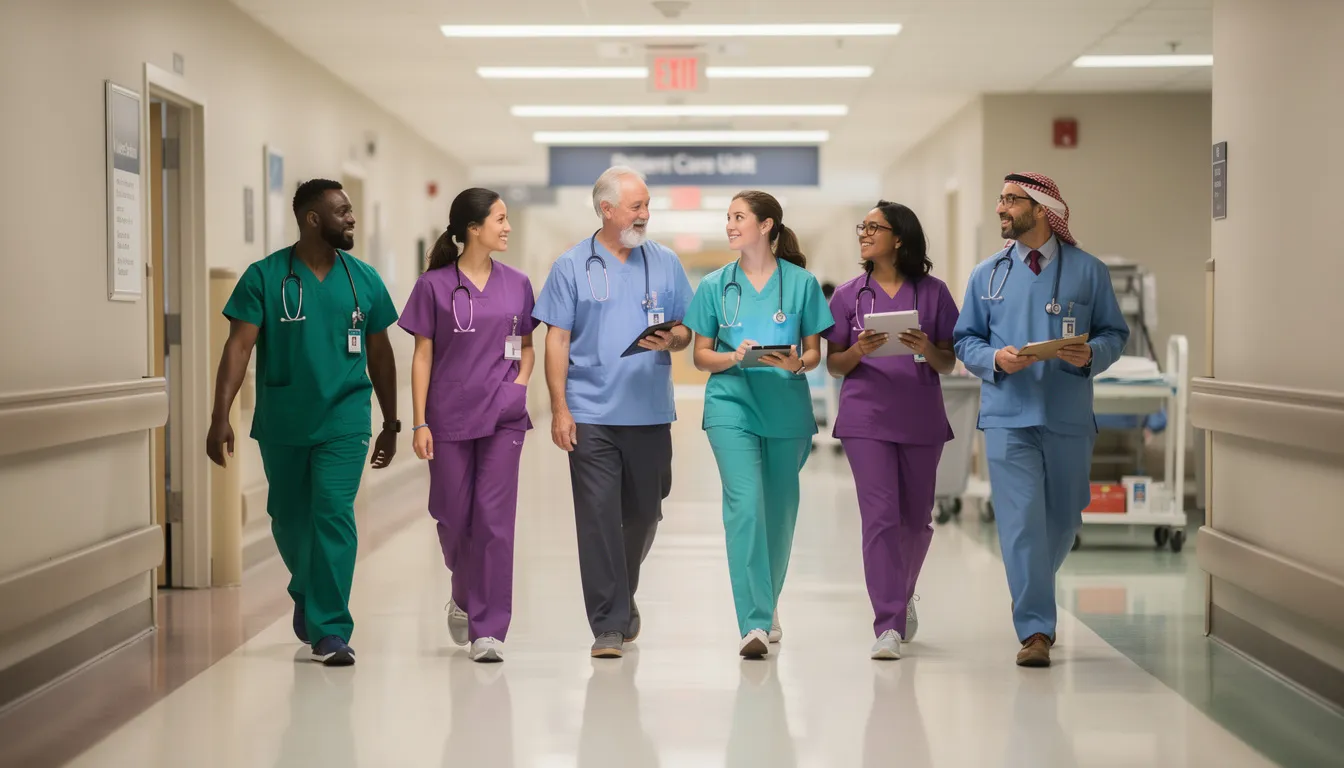
Collaboration is at the heart of effective nursing practice. Registered nurses work closely with other healthcare professionals—including doctors, therapists, pharmacists, and social workers—to deliver comprehensive, patient-centered care. This interdisciplinary teamwork ensures that every aspect of a patient’s health is addressed, from physical needs to emotional and social well-being.
Successful collaboration relies on strong communication, critical thinking, and organizational skills. Nurses must be able to assess patient needs, share timely updates with team members, and coordinate care plans to ensure nothing falls through the cracks. For example, an RN might work with a physical therapist to develop a safe discharge plan or consult with a doctor to adjust medications based on a patient’s changing condition.
By working as part of a healthcare team, nurses help create a seamless care experience for patients and their families. This approach not only improves health outcomes but also enhances the quality of care, as each team member brings unique expertise and perspective. In today’s complex healthcare environment, the ability to collaborate effectively is a key skill for every RN, supporting both patient care and professional growth.
How to Find and Apply for Nurse Jobs
The job search process for RNs combines digital tools with relationship-building. Knowing where to look and how to present yourself increases your chances of landing positions aligned with your goals.
- Resume preparation: Lead with your RN license, state of licensure, and certifications (BLS, ACLS, PALS, specialty credentials). New graduates should highlight clinical rotations, capstone projects, and any patient care experience from prior roles. Experienced nurses emphasize specific competencies like telemetry interpretation, ventilator management, or chemotherapy administration.
- Targeted cover letters: Address the specific unit and organization rather than sending generic applications. Reference the job title, explain your shift preferences, and connect your experience to the employer’s mission. Hiring managers notice when applicants demonstrate genuine interest.
- Online job boards and hospital systems: Major healthcare systems maintain career portals where you can filter by specialty, shift, and location. Set up job alerts to receive notifications when new positions post. Upload your resume and credentials once for easy application to multiple openings. Use the link provided to apply or access further details about the rn job.
- Interviews: Prepare for scenario-based questions that assess your clinical reasoning and communication under pressure. Practice using the SBAR format (Situation, Background, Assessment, Recommendation) to describe past experiences. The STAR method (Situation, Task, Action, Result) is also an effective approach for answering behavioral interview questions. Ask thoughtful questions about orientation length, preceptorship programs, staffing ratios, and professional development opportunities.
- Licensing verification and onboarding: Employers verify your license status through state board databases. Expect requests for immunization records, background checks, drug screening, and possibly competency assessments before your start date. Having documentation organized speeds the credentialing process.
Career Growth and Long-Term Development for RNs
An RN job is not a destination but a launchpad. The profession offers multiple pathways for advancement, geographic mobility, and continuous learning that keep careers fresh across decades.
- Clinical ladders: Many hospitals implement structured advancement frameworks with titles like RN I through RN IV, each tier bringing increased responsibility and pay differentials. Progression typically involves demonstrated expertise, committee participation, and mentorship of newer nurses.
- Further education: RN-to-BSN programs help associate’s degree nurses meet evolving employer preferences. Master of Science in Nursing (MSN) and Doctor of Nursing Practice (DNP) degrees open doors to nurse practitioner practice, clinical nurse specialist roles, nurse educator positions, and executive leadership. Graduate education represents both personal development and significant earning potential increases.
- Professional organizations: Joining the American Nurses Association, specialty societies, or local nursing associations connects you with peers, continuing education opportunities, and access to conferences where you can stay current with industry trends and build your professional network.
- Geographic mobility: The Nurse Licensure Compact simplifies working across state lines. Travel nursing allows exploration of different regions, facilities, and patient populations. Relocating for the right opportunity—whether to Washington, Georgia, or anywhere demand exists—remains straightforward for licensed RNs.
RN jobs in 2026 and beyond offer stable employment, competitive compensation, diverse practice settings, and genuine opportunities for advancement. The healthcare system’s commitment to quality care depends on attracting and retaining skilled nurses—which means your knowledge, dedication, and clinical ability have never been more valued.
Your license represents years of education, training, and real-world learning. Every position you consider is a chance to grow, to contribute, and to build a career as meaningful as the patients whose lives you touch. The right RN job is out there, waiting for someone exactly like you to join the team.