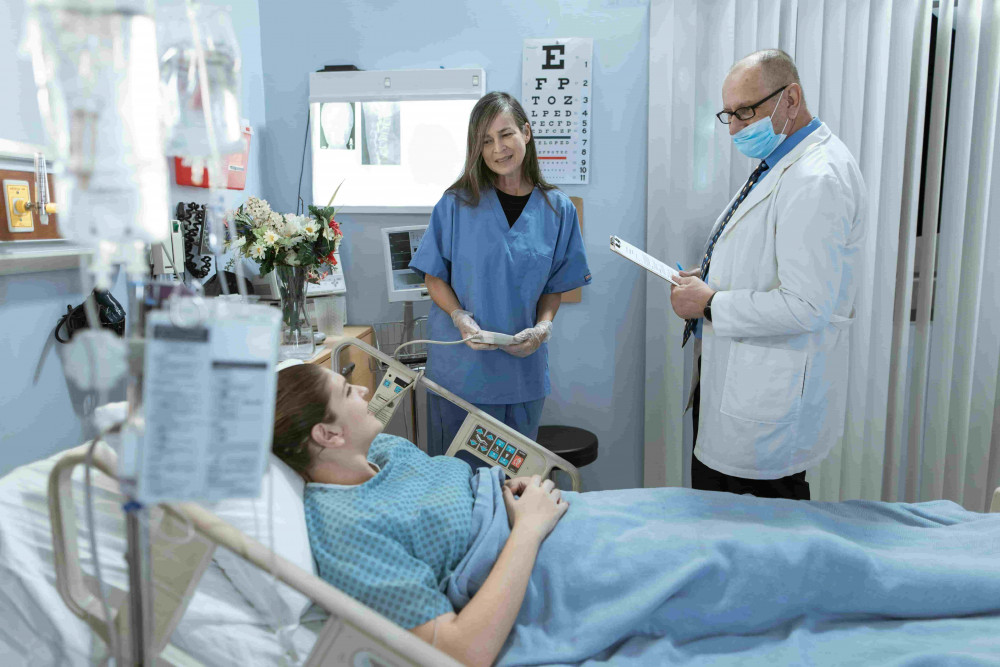
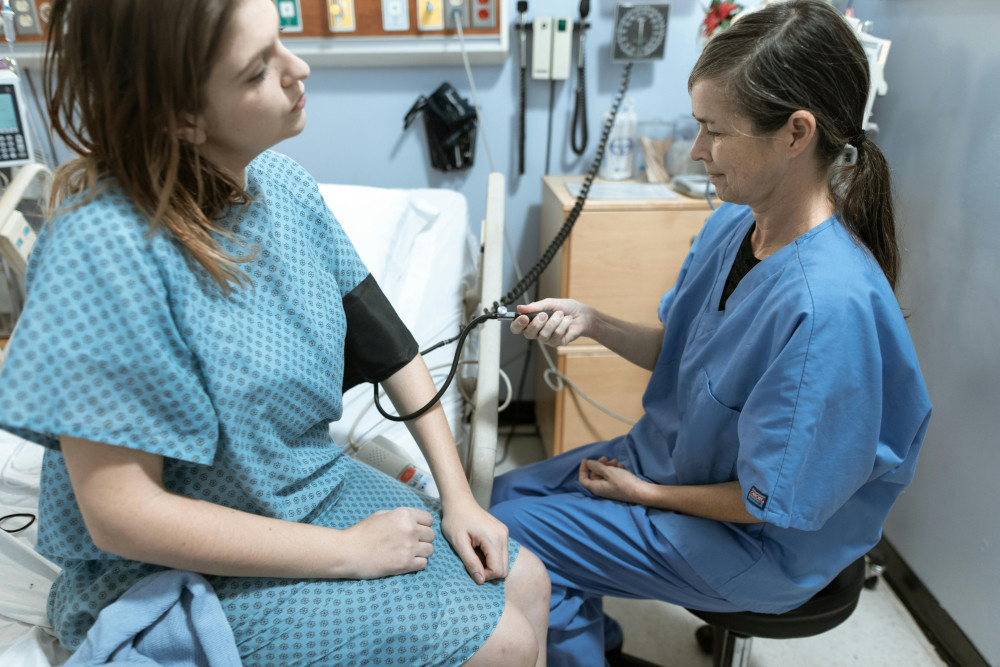
In 2026, your nursing profession stands as the cornerstone of the healthcare system — and you, as a registered nurse, serve in that pivotal role across hospitals, medical centers, and community health organizations that depend on everything you bring to your work. You're at the forefront of patient-centered care, delivering that compassionate support to individuals, families, and entire communities who need exactly what you have to offer. This healthcare landscape demands that you possess not only those strong clinical skills you've developed, but also expertise in administrative services — allowing you to adapt seamlessly to those fast-paced environments you know well, whether that's the emergency department, operating room, or medical surgical units where you've already proven yourself.
Your path to becoming a registered nurse meant graduating from an accredited school, earning either an associate degree or, increasingly, that Bachelor of Science in Nursing (BSN) — a credential that leading providers recognize reflects the depth of your commitment. The field opens up a diverse array of job titles and specialties for you, from case management to ICU resource teams, ensuring that whether you're newly licensed or an experienced registered nurse, you can find new jobs that align with your interests and the strengths you've discovered along the way. As the healthcare professional you are, you're empowered to pursue that professional growth you're seeking, develop your skills even further, and make the meaningful impact on patients and their families that drew you to this work in the first place. Whether you're just starting your career or seeking new opportunities that speak to where you want to go next, nursing offers you that dynamic path filled with purpose, expertise, and the ability to serve communities who need exactly what you have to give.
New Grad Residency Programs: The 2026 Roadmap to Your First RN Role
By Admin Published on February 10
You’ve made it through nursing school. You’ve conquered clinicals, survived those impossibly long study sessions, and somewhere along the way, you discovered that caring for others isn’t just what you do—it’s who you are. Now comes what might feel like the most daunting part: stepping into your role as a licensed Registered Nurse.
That transition from student to practicing nurse? It’s profound, and it deserves to be honored with the right kind of support. In 2026, the days of being thrown into the deep end are behind us, replaced by thoughtfully designed Nurse Residency Programs (NRPs) that recognize the sacred responsibility of nurturing new clinical talent.
Your first nursing role should be about so much more than a paycheck—it should be about building the foundation for a career that will sustain and fulfill you. This guide will help you recognize a residency program that truly understands what you need: clinical scaffolding that will protect your license, preserve your passion, and prevent the burnout that can dim even the brightest nursing spirit. As you plan your next steps, consider how residency programs can support your work/life balance and help you develop proactive strategies for personal and professional growth.
What is a Registered Nurse Residency Program in 2026?
A genuine residency program honors the complexity of what you're stepping into. It's not just extended orientation—it's a thoughtfully crafted 6-to-12-month journey designed to bridge the space between what you learned in school and the reality of caring for real people with real needs at the bedside.
As a Nurse beginning this profound work, you deserve a program that follows established standards like Vizient/AACN or ANCC Practice Transition Accreditation Program® (PTAP). These aren't just credentials on paper—they represent a commitment to your growth, backed by evidence that shows they build your confidence and help you provide the safest, most compassionate care.
The 3 Pillars of a High-Value Residency
When you're searching for your first role on RegisteredNurse.jobs, look for programs that understand these three essential elements of supporting new nurses:
1. The Preceptor-to-Resident Ratio
You deserve someone who's completely focused on your development. The best programs assign you a dedicated preceptor—someone who sees nurturing your growth as their primary responsibility. In 2026, the gold standard is a 1:1 ratio during your clinical shifts. If you hear that you'll be "sharing" a preceptor with another new graduate, trust your instincts. This often signals that the unit is stretched too thin to give you the attention your development deserves.
2. Protected Learning Time (Didactic Days)
Your growth needs space to breathe. The most thoughtful residency programs carve out "protected" time away from the bedside where you and your fellow residents can process, learn, and grow together. These sessions should nurture your development in areas like:
- Acuity-specific skills that build your confidence in complex care situations (like ventilator management for those called to ICU work).
- Communication skills that help you navigate challenging conversations with physicians and families with grace and authenticity.
- Self-care practices that honor the emotional weight of this work and help you sustain your passion through the inevitable difficult days.
3.3 3. Progressive Independence and Clinical Skills
Your journey from new graduate to confident practitioner should unfold naturally, at a pace that honors your learning process. Be wary of programs that rush you toward independence. The most supportive residencies create clear milestones that allow you to build confidence gradually. You might begin with a lighter patient assignment—perhaps caring for just one or two patients—and only progress to a full load after you've demonstrated readiness through specific competency achievements.
Top Health Systems for New Grads in 2026
While many hospitals offer residency programs, these health systems have built reputations for truly understanding what new Registered Nurses need to flourish:
- Cleveland Clinic: Their residency program has become legendary among nurses for its specialized tracks in Heart, Vascular, and Thoracic nursing—perfect if you feel called to these complex, life-saving specialties.
- HCA Healthcare (StaRN Program): This program represents one of the most comprehensive support networks for new nurses in the country, offering a carefully standardized “Transition to Practice” curriculum that you’ll find consistently excellent across hundreds of facilities.
- University of Vermont Health Network: As we highlighted in our UVM Profile, their academic environment creates an ideal learning space for Nurses who thrive in teaching hospital settings where curiosity and continuous learning are celebrated.
Kaiser Permanente offers a variety of nursing roles across multiple specialties, providing opportunities for both new and experienced RNs. The VA is the nation's largest employer of nurses, offering numerous job opportunities in diverse settings. If you're open to relocating or travel roles, understanding compact nursing states under the eNLC in 2026 can dramatically expand where you’re eligible to practice. Remote registered nurse positions are also available, allowing nurses to work from home. Carenet Health, for example, offers full-time registered nurse positions with a salary range of $34.00 per hour. Many of these roles are full time and may offer flexible schedules, including evening and weekend shifts, to accommodate different needs.
2026 Application Timeline
Landing a spot in an exceptional residency program requires thoughtful timing and preparation. For example, if you're targeting the West Coast, you might explore RN jobs in California for 2026 as you plan your timeline.
- 6 Months Before Graduation: Begin identifying the health systems that align with your values and career vision. Create your list of top 5 "dream" organizations on RegisteredNurse.jobs.
- 4 Months Before Graduation: Start submitting those applications. Remember that many residencies hire in planned "cohorts" throughout the year—Winter, Spring, and Summer—so timing matters, especially in competitive markets like RN jobs in New York.
- Post-NCLEX: Most programs welcome applications from graduates with "GN" (Graduate Nurse) status, but you'll need to pass your boards within their specified timeframe (typically 60–90 days) to secure your spot in the program, particularly in high-demand regions such as RN jobs across Texas in 2026.
The "New Grad" Resume Secret
In 2026, the hiring managers who truly understand nursing are looking for something deeper than your GPA. They want to see evidence of your clinical immersion—the real-world experience that shaped your nursing instincts. On your resume, don’t just mention your nursing school. Highlight your Senior Practicum or Preceptorship experience: which unit chose you, how many hours you spent learning at the bedside, and what that experience taught you about the nurse you’re becoming. Be sure to mention your ability to provide education and deliver quality-driven clinical assessments and health education to patients, as these are key responsibilities expected of nurses.
At RegisteredNurse.jobs, we’ve made it simple to connect with employers who are genuinely invested in developing new nursing talent. Use our filters to search for “New Grad” or “Nurse Resident” positions, and you’ll find organizations that see your potential and are ready to help you realize it.
Salary and Benefits: What New Grad RNs Can Expect
As a new graduate RN stepping into the workforce in 2026, something beautiful awaits you. You've earned this moment — and with it comes compensation that reflects the value you bring to every room you enter. Those hourly wages for registered nurse jobs? They typically stretch from $45 to $83 per hour, depending on where you choose to plant your roots and which employer recognizes your worth. Leading medical centers and hospitals, places like the University of Washington Medical Center, understand what you deserve. They offer comprehensive benefits that wrap around your life — health, dental, and vision insurance, flexible spending accounts, retirement plans, and generous paid time off that lets you breathe between the meaningful work you do.
The healthcare world is opening its doors wider than ever before. Many employers have committed to being equal opportunity employers — welcoming you regardless of race, color, religion, sex, sexual orientation, gender identity, national origin, veteran status, or disability. This isn't just policy language. It's recognition that healing comes in all forms, from all backgrounds. Your first nursing care position is out there waiting. Use search filters like "registered nurse jobs" or "nursing care" and consult resources like a comprehensive RN salary guide for 2026 to find opportunities that speak to who you are and where you want to go. With benefits that support your whole life and workplaces that value your unique perspective, you can focus on what drew you here in the first place — delivering excellent patient care while building something lasting and meaningful for yourself.
Mentorship and Support for New Grad Nurses
That transition from nursing school to your first RN role? It's bigger than you probably imagined when you were studying for the NCLEX. But here's what matters most — you don't have to navigate it alone. The right mentorship and support can transform everything about how you experience those first crucial months. Organizations like Kaiser Permanente understand this deeply, which is why they've built mentorship programs and educational opportunities that wrap around you as you find your footing. These aren't just programs on paper — they're structured residency experiences, leadership development that sees your potential, and ongoing training designed to help you build the confidence that already lives inside you. Each shift teaches you something new about refining your clinical skills, about trusting your instincts.
The experienced registered nurses around you? They remember exactly where you are right now. They've been there — feeling overwhelmed one moment, completely in your element the next. That's why they guide you, offering insights and encouragement as you learn to navigate not just patient care, but the intricate dance of the entire healthcare system. Advisory councils and professional organizations like the National Institute of Nursing exist because people who came before you wanted to make sure you had resources, networking, and support that would help you not just survive, but truly thrive. When you participate in these programs and embrace what's available to you, something beautiful happens — you become better equipped to deliver the high-quality, patient-centered care you've always wanted to provide. You start making the positive impact on patients' lives that called you to nursing in the first place. Continuous education and mentorship aren't just professional requirements — they're the foundation of your growth and success as the healthcare professional you're becoming.
Career Advancement Opportunities for New Grads
Your journey as a new graduate RN — it didn't end when you got that first job offer. That was just the beginning of something much bigger. The opportunities ahead of you, they're not just abundant — they're waiting for someone exactly like you, someone who already proved they have what it takes to navigate the complexity of nursing with heart and skill. You can move into leadership roles that will challenge everything you thought you knew about yourself, specialize in areas like case management, critical care, or education that will ignite parts of your mind you didn't even know existed, or transition into research and administrative services where your clinical instincts will guide discoveries that change everything. Programs like the Registered Nurse Transition-to-Practice Residency Program (RNTTP) — they exist because organizations recognize what you already are: someone worth investing in. That's not coincidence. That's recognition of your potential.
Lifelong learning isn't just a requirement in nursing — it's a gift you give yourself, a way to stay curious about the work that called you here in the first place. Every training opportunity, every educational pathway you choose, it keeps you current with healthcare practices that are evolving as fast as you are, preparing you for challenges you can't even imagine yet. Whether your heart pulls you toward leading a team through their toughest days, teaching future nurses the intuition you've already developed, or contributing to your community through advanced practice that reaches beyond any single bedside — this profession holds space for all of it. You already have the right spirit, and with dedication that you've proven time and again, you're building something remarkable: a career that doesn't just pay the bills, but creates lasting change in the lives of patients and the health of entire communities. That matters more than you know.